By Christopher Sunday
(Continuation…)
Character may inspire confidence, but competence sustains leadership.
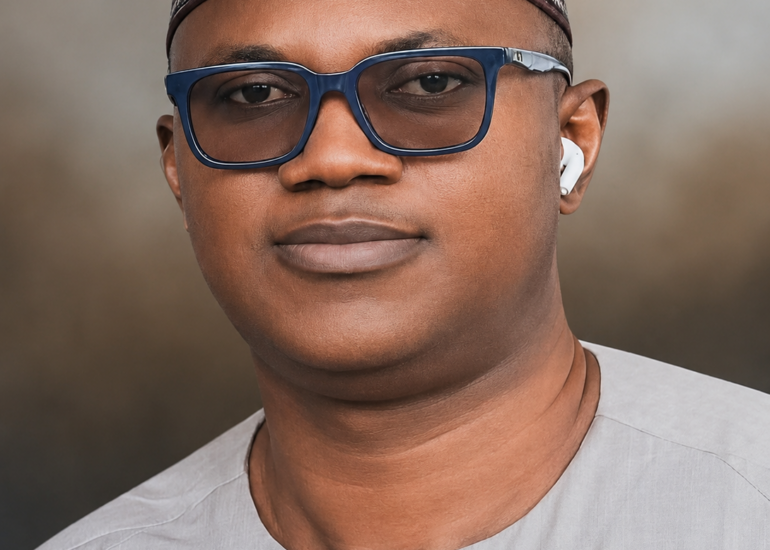
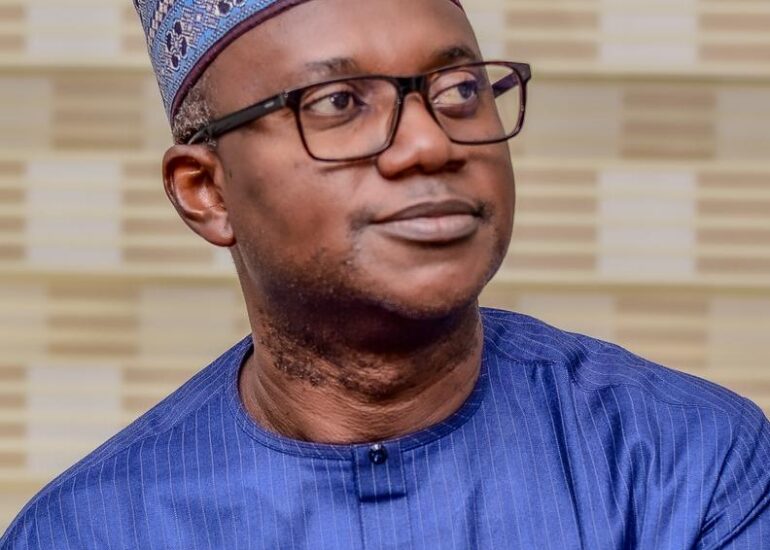
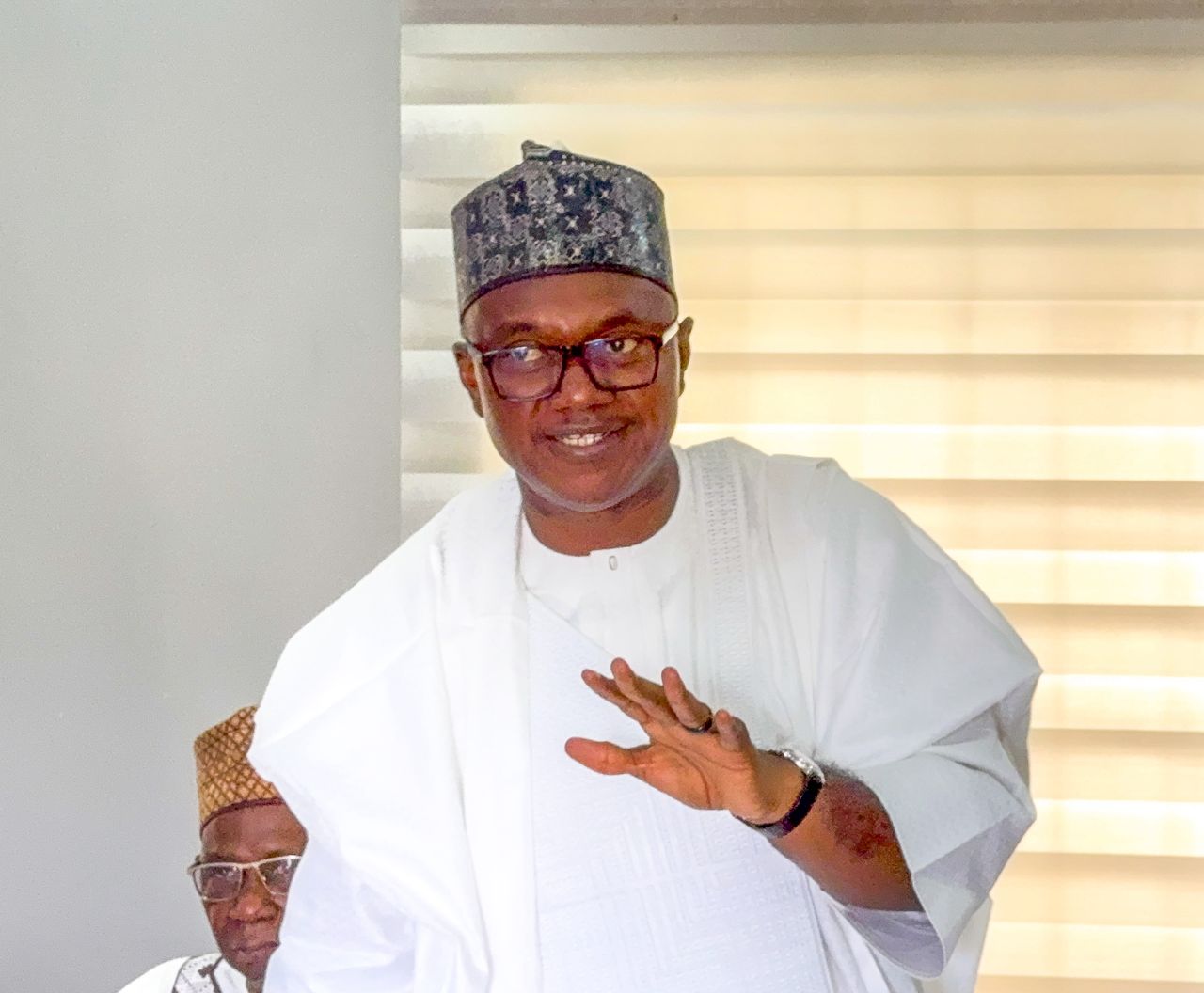
While my admiration for QS Aminu Abubakar Suleiman began with my personal encounters with his humility and leadership philosophy, my conviction became even stronger after examining the depth of his professional accomplishments. It is one thing to possess good intentions; it is another to possess the knowledge, experience and global exposure required to transform those intentions into measurable results.
QS Aminu belongs to that rare class of professionals whose career has been built on excellence rather than political patronage. A distinguished Quantity Surveyor and infrastructure development expert, he has spent decades working at the highest levels of project management, procurement, construction economics and strategic infrastructure development. His professional journey has earned him the prestigious title of Fellow of the Nigerian Institute of Quantity Surveyors (FNIQS)—an honour reserved for practitioners who have made outstanding contributions to the profession.
His academic and professional development equally reflects an uncommon commitment to lifelong learning. Having studied in reputable institutions within and outside Nigeria and participated in executive programmes in globally respected institutions, he has acquired perspectives that transcend local politics. Such exposure equips him with the capacity to understand how successful societies formulate policies, manage public resources and drive sustainable development.
In today’s Senate, where national budgets, infrastructure financing, procurement laws and development policies are debated daily, this background is not merely impressive—it is highly relevant. Nigeria no longer needs representatives who simply occupy seats. We need legislators who understand the technical language of development, who can interrogate budgets intelligently, influence policy constructively and attract investments through informed engagement.
Beyond his professional qualifications lies another quality that deserves equal recognition—his humanitarian disposition.
Across the nine local government areas of Kogi East, numerous families have benefited from his quiet interventions. Widows have received support. Women have been empowered to expand their businesses. Young people have been encouraged to pursue education, entrepreneurship and productive livelihoods. Community development initiatives have continued to receive his attention without the accompanying publicity that has become fashionable in contemporary politics.
Perhaps what distinguishes these interventions is not merely their scale but their sincerity. They are rarely accompanied by elaborate media campaigns or carefully choreographed publicity. They are driven by a simple philosophy: that service should first satisfy human needs before satisfying political ambitions.
This quiet philanthropy has earned him goodwill across communities because many beneficiaries know that compassion does not always need a camera to prove its existence.
His influence also extends beyond humanitarian service.
One of the greatest strengths QS Aminu brings to public service is the quality of his relationships. Over the years, his professional career has connected him with leaders in government, the private sector, international development circles, professional institutions and infrastructure agencies across Nigeria and beyond. These relationships are not social ornaments; they are strategic assets.
In the modern legislative environment, development increasingly follows relationships built on credibility and competence. Federal projects are facilitated through sustained engagement. Employment opportunities often emerge from institutional networks. Development partners respond more readily to leaders they trust. Investors are attracted by individuals whose professional reputation inspires confidence.
Representation today therefore demands far more than delivering speeches on the Senate floor. It requires access, influence, negotiation and credibility.
These are qualities that cannot be manufactured during election campaigns. They are earned over decades of consistent professional excellence.
Within Nigeria, QS Aminu has equally built relationships that transcend ethnic, religious and partisan boundaries. His engagements across the six geopolitical zones, through his professional responsibilities and institutional affiliations, have enabled him to cultivate friendships and working relationships with respected personalities in both the public and private sectors. Such national reach strengthens his capacity to advocate effectively for Kogi East within federal institutions.
For a district seeking greater federal presence, improved infrastructure, employment opportunities for its young graduates and increased national visibility, such networks should not be underestimated.
Yet, despite these remarkable achievements, one quality continues to define him more than any title he carries—his humility.
In many conversations, I have observed him treat people with dignity irrespective of age, educational background, political affiliation or religious identity. He listens before speaking. He encourages rather than belittles. He respects traditional institutions, values young people and remains approachable even in positions of influence.
To me, this combination of competence and humility represents authentic leadership.
As a student of philosophy, I often return to Aristotle’s observation that the purpose of politics is the pursuit of the common good. Leadership exists to improve lives, not merely to win elections. Representation is ultimately measured by the opportunities created, the institutions strengthened and the hope restored within society.
This is precisely why I believe Kogi East must approach the 2027 senatorial election with wisdom rather than emotion.
The National Assembly is not a training ground for inexperienced politicians. It is where complex national issues are debated, budgets are scrutinised, constitutional amendments are negotiated and the future of millions of Nigerians is shaped.
Kogi East cannot afford to send another representative whose greatest qualification is political popularity. Our challenges have become too complex for experimental leadership.
We need a senator who understands governance beyond slogans.
We need someone capable of building bipartisan relationships in Abuja while remaining deeply connected to the villages, towns and communities of Kogi East.
We need someone who can translate professional excellence into legislative productivity.
We need someone whose integrity inspires confidence, whose experience commands respect and whose compassion reassures the ordinary citizen.
For these reasons, I believe QS Aminu Abubakar Suleiman is exceptionally well suited to represent Kogi East in the Senate.
This conviction is not founded on political sentiment alone. It is rooted in what I have personally observed of his character, reinforced by the evidence of his professional accomplishments, affirmed by his quiet humanitarian service and strengthened by the national and international relationships he has cultivated over many years.
As 2027 approaches, the people of Kogi East have an opportunity to redefine the standard of representation. We can choose competence over convenience, preparation over improvisation, substance over slogans and service over spectacle.
History will remember not the promises made during campaigns, but the choices made by the electorate.
My hope is that when that moment comes, Kogi East will choose a leader whose life has already demonstrated the values we desire in public office—a man whose greatest campaign message is the legacy he has quietly built long before seeking the people’s mandate.
The future of Kogi East deserves nothing less.